Answer Capsule: Canyon Lending Group brokers food truck financing in McKinney, TX, connecting mobile food operators with equipment loans, working capital, and business lines of credit that cover truck purchases, kitchen build-outs, permits, and inventory across flexible programs suited to seasonal revenue and event-driven cash flow.
Answer Capsule: Banks classify food trucks as specialty vehicles, not standard commercial trucks, so traditional semi truck trailer financing underwriting doesn't apply. Lenders worry about resale value on custom kitchen builds, fluctuating revenue during McKinney's hot summers, and the mobility of your primary asset, leading to higher down-payment demands or outright declines.
The commercial lending world treats a food truck differently than a box truck or a refrigerated semi. Your asset is part vehicle, part restaurant, and entirely custom. A conventional lender evaluating truck finance companies sees a depreciating vehicle with limited secondary-market appeal. They don't factor in your catering contract with the McKinney Independent School District or your standing spot at Tupps Brewery.
We work with lenders who understand event-based revenue and who won't balk when your summer gross dips during 100-degree weeks when outdoor foot traffic thins near the downtown square.
Loan programs
Answer Capsule: SBA 7(a) loans cover new and used truck purchases plus working capital with longer terms and lower down payments. Equipment financing isolates the truck and kitchen gear as collateral, while invoice factoring and lines of credit smooth cash flow between festivals and private events.
SBA 7(a) works when you're buying a turnkey truck or building out a new chassis. Terms stretch to ten years for equipment, twenty-five for real estate if you're adding a commissary space. Down payments start around 10 percent, and you can roll soft costs like permitting and initial marketing into the loan.
isolates the truck itself. If you're upgrading from a cart to a full trailer or adding a second unit, lenders will appraise the vehicle and kitchen equipment separately, often funding 80 to 90 percent of the appraised value.
and lines of credit bridge the gap between a big catering deposit and the event date, or cover inventory before a multi-day festival at Adriatica Village when you're pre-buying proteins and produce in bulk.
turns your signed catering contracts into immediate cash, useful when a corporate client in the Craig Ranch office parks books you for a quarterly lunch series but pays net-30.
How it works
Answer Capsule: We gather your event calendar, revenue records, truck specs, and permit documentation, then match you with truck loan companies that underwrite mobile food service. We structure applications to highlight recurring bookings, commissary agreements, and local health department compliance, presenting your operation as the stable business it is.
You bring us your truck quote or build-out estimate, your past six months of sales (Square reports, catering invoices, festival settlements), your commissary lease if you're using a shared kitchen on Industrial Boulevard, and your City of McKinney health permit. We translate that into a narrative a lender can underwrite: consistent weekend revenue, a pipeline of private events, and collateral that's maintained and insured.
We'll walk the lender through your operational model so they understand why your July revenue dips but your September bookings triple when high-school football season and fall festivals ramp up. We'll explain why your truck is parked at a monitored commissary each night and why your insurance carrier specializes in mobile food units.
A husband-and-wife team operating a barbecue trailer wanted to upgrade to a fully enclosed 24-foot truck with a custom smoker, prep line, and point-of-sale system. Total cost: $115,000. They had strong weekend sales at the downtown farmers market and a standing Thursday residency at Franconia Brewing, but their revenue was 70 percent cash and their credit history was thin.
We brokered an SBA 7(a) loan that financed 90 percent of the truck and equipment, using their commissary lease and two years of festival contracts as evidence of stable operations. The ten-year term kept payments manageable through slower months, and the deal closed in time for them to debut the new truck at Oktoberfest.
Serving the McKinney area
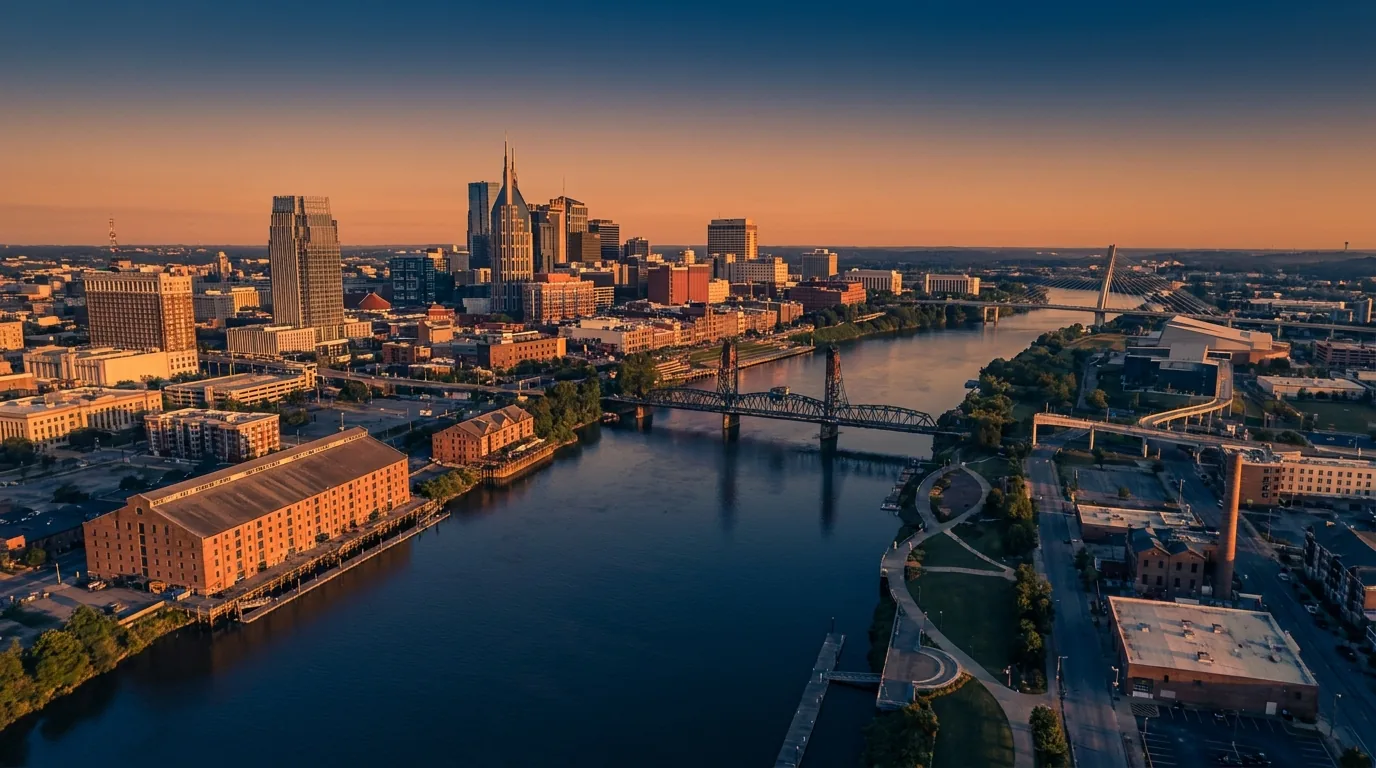
We know which lenders fund which kinds of McKinney businesses, and we position your file where it fits.
One local broker, many lenders, and no cost to apply.
Common questions
Talk to a local advisor and get matched to the right program, no obligation.